
Historic courthouse restorations point to a broader definition of sustainability—measured in decades of continued service.
Sustainable design discussions often center on energy modeling, insulation values, and carbon accounting. But Susan Frocheur, a principal at Architexas with over 25 years of experience in historic preservation, argues that the most sustainable thing you can do is keep what you already have, and choose materials built to last. Few materials embody that philosophy more convincingly than terrazzo: it is still frequently in place in the historic buildings that preservation architects work to protect.
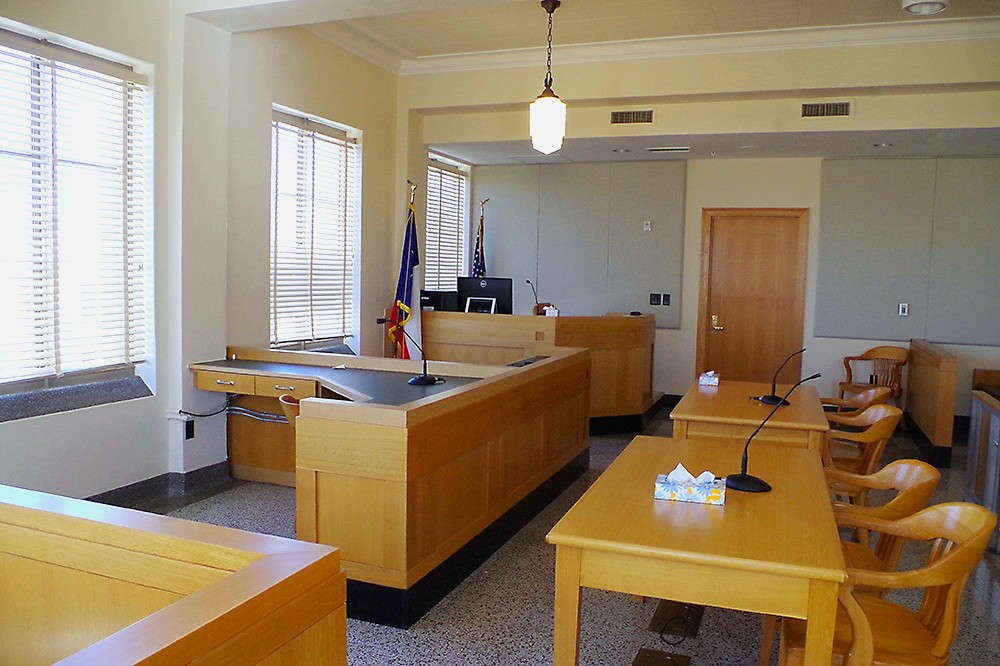 “Sustainability is preserving existing materials and buildings,” says Frocheur. “If a material has a short life cycle, say 20 years versus 100 years, you have to replace it two or three more times while terrazzo continues to perform.”
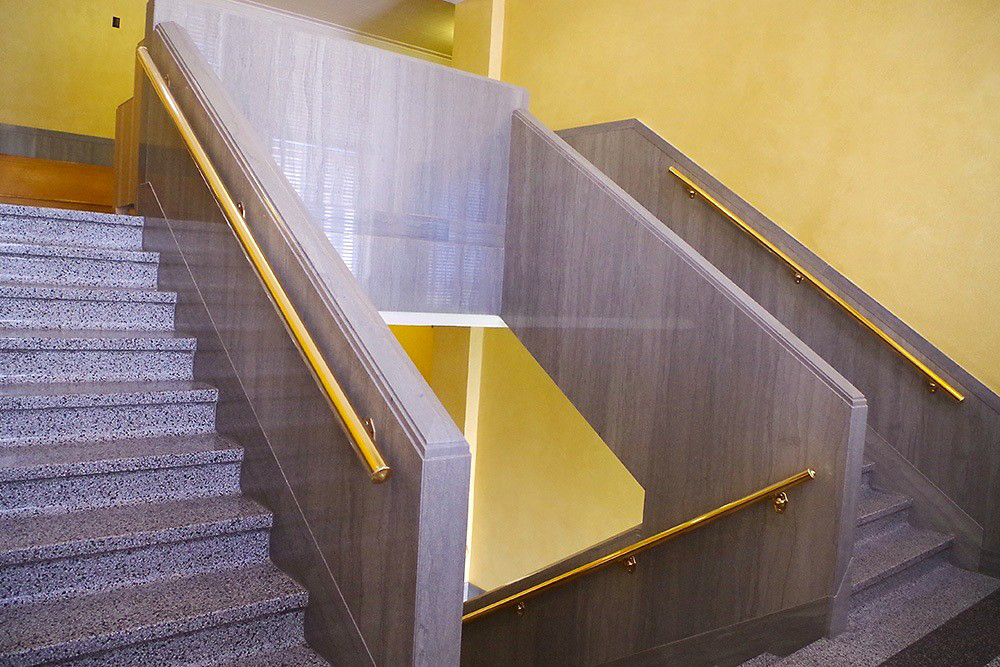
That philosophy has guided her work on some of Texas’s most significant historic courthouses. During the restoration of the 1932 Potter County Courthouse in Amarillo, her team went to considerable lengths to preserve the building’s original first-floor terrazzo floors — expanding and reinforcing over 200 feet of underfloor utility tunnels rather than disturbing the flooring above.
The result: a landmark Art Deco building with its historic finishes intact and updated systems integrated without disturbing the original terrazzo floors. Frocheur says the project also influenced later material decisions. Maintenance staff who worked in the courthouse spoke out to support terrazzo in newer public buildings because they had seen firsthand that it was durable, low-maintenance, and lasted for decades with minimal issues.
But preservation-minded architects like Frocheur increasingly push back against sustainability metrics driven primarily by energy modeling and quantifiable performance data. She describes a recurring tension: consultants who can’t quantify historic materials on an energy savings scorecard will simply recommend replacing them, even when those materials are in excellent condition. “They say, ‘If I can’t put it in a spreadsheet, throw it away and give me new materials.”
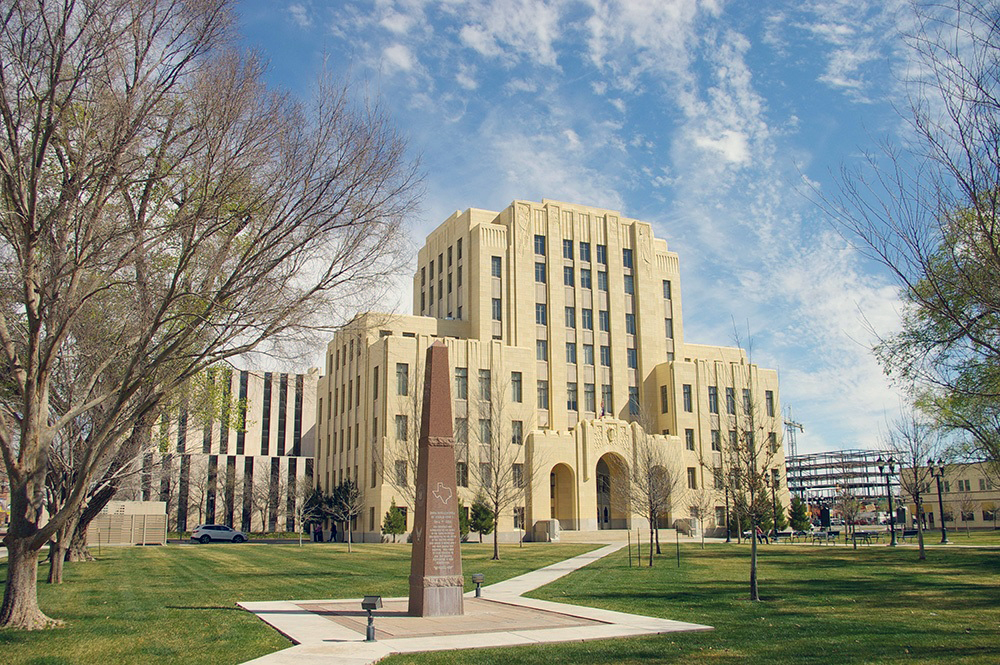
What that calculus misses, she argues, is longevity and material quality. Buildings constructed a century ago were often built with higher-grade materials than many available today, and with proper maintenance, they can remain in service for another century. The “keep and restore” approach honors that investment rather than discarding it.
You have to follow the whole trail of a material, Frocheur explained: where it was produced, how far it traveled, and how long it will remain in service. Sustainability is measured not only by operational efficiency, but by how long a material remains in service before replacement becomes necessary.
All photos courtesy of: John Deacon http://www.courthouses.co
Discover more about Texas Historical Buildings by visiting the Texas Historical Commission https://thc.texas.gov
For Courthouses across the US, Canada, and Mexico, visit: https://courthouses.co


Read Similar Articles
-
 Blog & News
October 15, 2026
Terrazzo and Slip Resistance: Safety Meets Design
From hospital corridors to outdoor plazas, customizable terrazzo finishes address slip-resistance without compromising design, allowing designers to combine traction, durability, and visual appeal, inside or…
-
 Blog & News
October 1, 2026
Terrazzo So Good You’ll Want to Step Into History—and Eat Mor Chikin
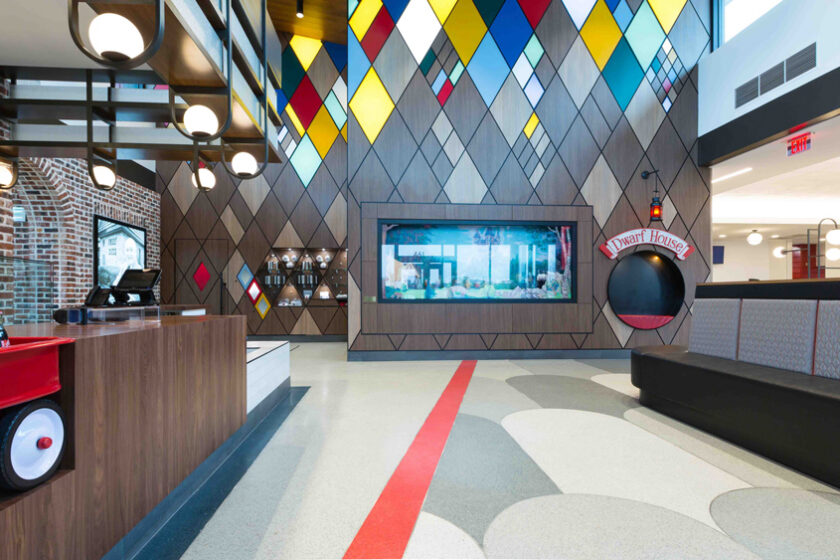
At Hapeville’s Chick-fil-A Dwarf House, terrazzo transforms the space into a story-rich canvas. Diamond patterns, sunbursts, and embedded tributes honor the restaurant’s 1946 origins, ready to stand up to generations of diners.In 2022, the original Chick-fil-A Dwarf House in Hapeville, Georgia, reopened after its first major renovation since 1967. The project doubled the dining space—and presented…
-
 Blog & News
September 15, 2026
Terrazzo in the Age of Biophilic Design:
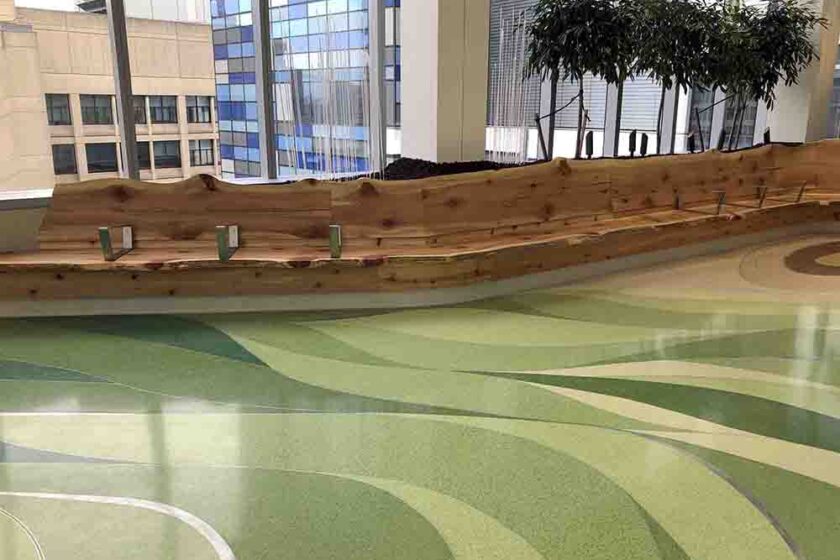
A Floor Plan for Healthier SpacesBoston Children’s Hospital uses terrazzo to bring natural patterns indoors, combining durability, hygiene, and a calming, restorative environment.